Election campaigns have long been a crucial part of democratic societies, shaping the way candidates communicate with voters and present their policies. However, the strategies used to win elections have not remained static. From early grassroots movements to modern digital campaigns, the evolution of election strategies reflects changes in technology, media, public engagement, and political culture. Understanding this evolution offers insight into how politicians influence public opinion and how voters’ expectations have changed over time.
Early Campaigns: Personal Contact and Print Media
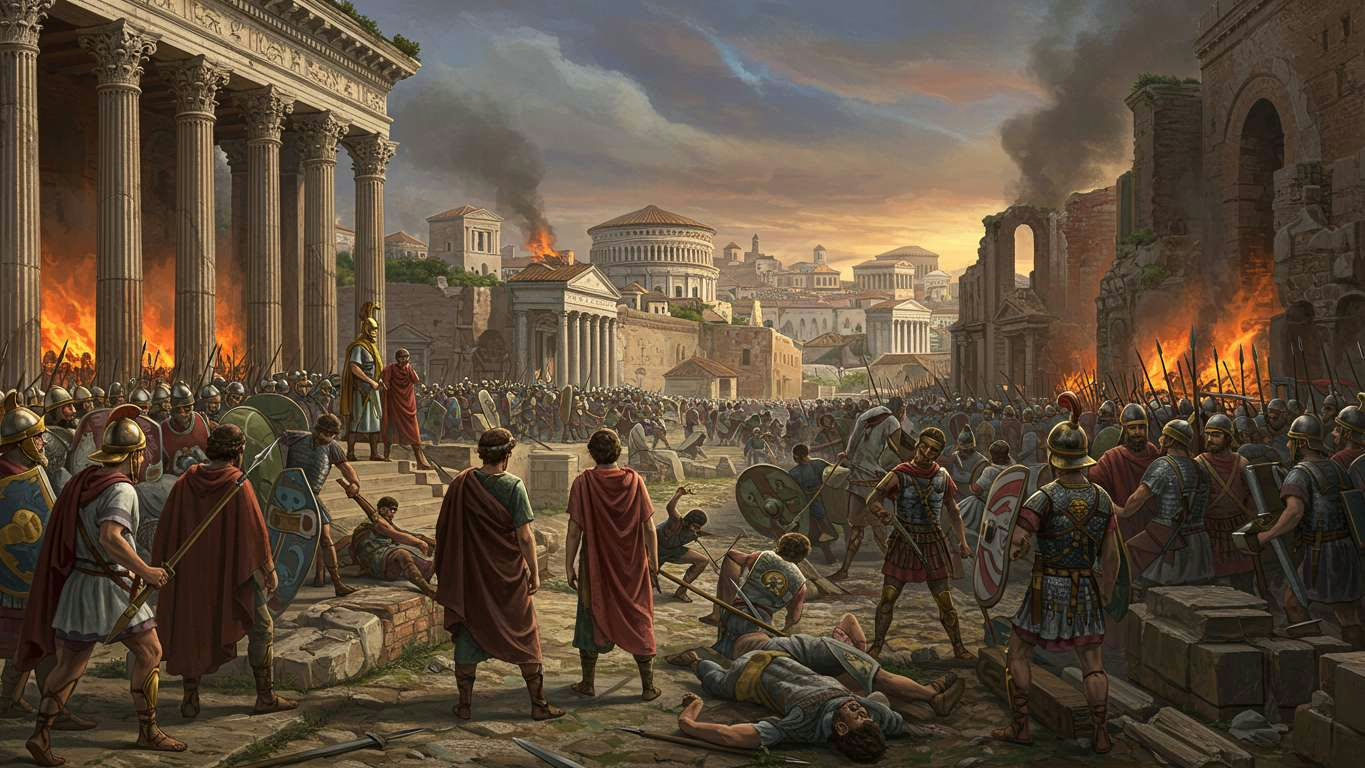
In the early days of modern democracy, election campaigns were largely localized and personal. Candidates relied on face-to-face interactions, town hall speeches, and public square gatherings to reach voters. Newspapers played a critical role in spreading political messages, often reflecting strong partisan alignments. Campaigns focused on issues such as suffrage, representation, and local governance, and personal reputation often mattered more than broad media exposure.
Pamphlets, posters, and handbills were widely used to inform voters about candidates’ positions. Political rallies were opportunities to demonstrate support and energize followers. This era emphasized direct engagement and trust-building, as the reach of communication tools was limited compared to today.
The Rise of Mass Media: Radio and Television
The 20th century witnessed significant transformation through the advent of mass media. Radio broadcasts allowed candidates to address large audiences, transcending geographical barriers. Franklin D. Roosevelt’s “Fireside Chats” in the 1930s exemplified the power of radio to establish a personal connection with voters, allowing politicians to communicate directly and persuasively.
Television further revolutionized campaigns. The 1960 U.S. presidential debates between John F. Kennedy and Richard Nixon highlighted the visual dimension of political communication. Kennedy’s poised appearance and confident demeanor on television helped him gain an edge over Nixon, demonstrating that image, body language, and media presentation can significantly influence voter perception. This era introduced the concept of media management as a central campaign strategy, in which messaging, sound bites, and visual appeal became critical to electoral success.
Data-Driven Strategies and Polling
As the 20th century progressed, campaigns increasingly relied on data and polling to guide strategy. Political analysts began segmenting voter populations based on demographics, economic interests, and political preferences. Polling allowed campaigns to measure public opinion, adjust messaging, and allocate resources more efficiently.
The rise of political consulting firms in the 1970s and 1980s marked a shift toward professionalized campaigning. Campaign managers and strategists used surveys, focus groups, and voter targeting to craft messages tailored to specific segments of the electorate. This period also saw the increased use of direct mail to communicate with potential supporters, creating personalized appeals that were more likely to resonate with individual voters.
Digital Revolution and Social Media
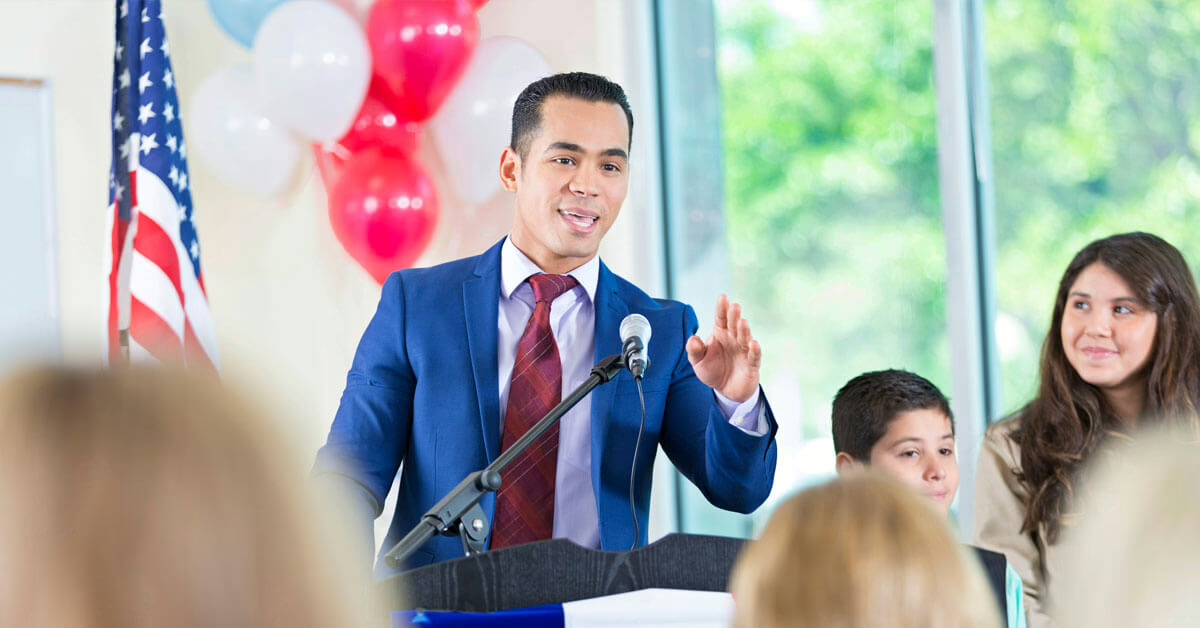
The 21st century ushered in a new era of campaign strategies dominated by digital technology. Websites, email campaigns, and social media platforms transformed how candidates engage with voters. Social media platforms such as Facebook, Twitter, and Instagram enable politicians to communicate directly with the electorate, bypassing traditional media filters. This shift has made campaigns more immediate, interactive, and participatory.
Data analytics became central to modern campaigns. Tools that track user behavior, preferences, and engagement enable highly targeted advertising. For instance, campaigns can deliver personalized ads to micro-segments of the population based on political interests, location, and online activity. This level of precision represents a dramatic evolution from broad messaging to individualized communication.
Additionally, digital platforms allow campaigns to mobilize supporters quickly, organize events, and facilitate online donations. Viral content and digital storytelling have become powerful tools for shaping narratives, highlighting candidates’ personalities, and amplifying key messages. The digital era has also increased transparency and accountability, as social media exposes campaigns to real-time public scrutiny.
Grassroots Movements and Community Engagement
Despite technological advances, grassroots strategies remain a vital part of election campaigns. Door-to-door canvassing, phone banking, and local events continue to influence voter turnout. Successful campaigns often combine traditional and modern approaches, blending personal engagement with data-driven digital outreach.
Grassroots organizing is particularly effective for energizing volunteers, building long-term support networks, and fostering community trust. This hybrid approach acknowledges that while technology can amplify a campaign’s reach, personal connection remains crucial for motivating voter participation.
Challenges and Ethical Considerations
The evolution of campaign strategies has brought new challenges. Digital platforms allow for micro-targeting but also raise concerns about privacy, misinformation, and manipulation. The speed and reach of online communication facilitate the spread of false narratives, influencing voter behavior in unprecedented ways. Campaigns must navigate the balance between persuasive messaging and ethical responsibility, ensuring transparency and fairness while engaging an increasingly savvy electorate.
Conclusion
Election campaign strategies have transformed dramatically over time, reflecting changes in technology, media, and voter behavior. From personal interactions and print media to mass broadcasting, data-driven analysis, and digital engagement, each era has introduced new tools and tactics for reaching the electorate. Today, successful campaigns often integrate multiple approaches, combining the immediacy of digital platforms with the personal touch of grassroots organizing.
Understanding this evolution not only sheds light on how politicians win support but also highlights the dynamic relationship between voters, media, and technology. As the digital landscape continues to evolve, future campaigns will likely blend innovation with traditional strategies, shaping elections and democracy in ways we are only beginning to understand.