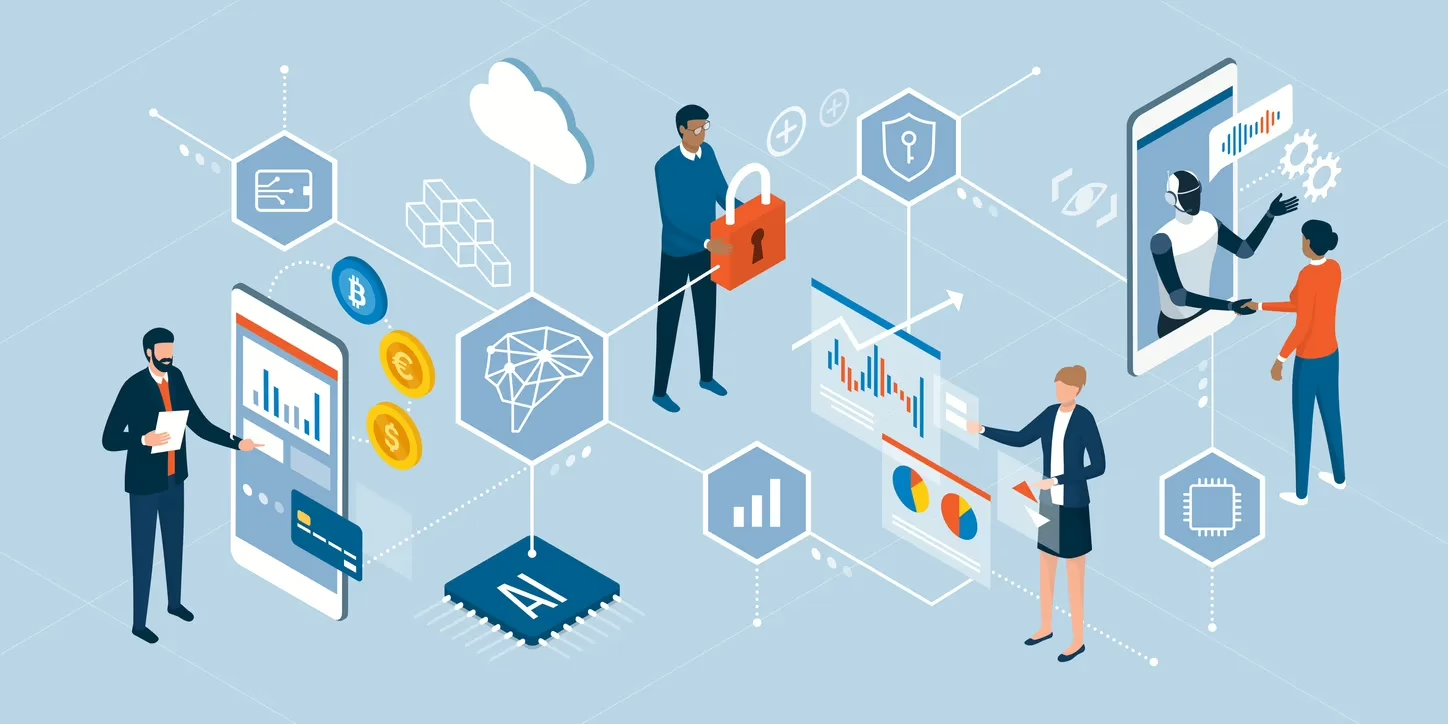
The travel industry has long reflected human curiosity and the desire to explore. From ancient trade routes to luxury cruises, people have constantly sought ways to experience new places and cultures. Today, technology is reshaping the travel landscape in ways that were unimaginable just a few decades ago. From planning and booking trips to navigating destinations and sharing experiences, technology is transforming every aspect of the travel journey.
The Rise of Online Booking Platforms
One of the most visible changes in the travel industry is the shift from traditional travel agents to online booking platforms. Websites and apps such as Expedia, Booking.com, and Airbnb enable travelers to search for flights, hotels, and vacation rentals in just a few clicks. These platforms provide detailed information on prices, reviews, and availability, empowering travelers to make informed decisions without leaving their homes.
Online booking platforms have also introduced dynamic pricing models that adjust prices based on demand, time, and user behavior. This has made travel more accessible, allowing budget-conscious travelers to find competitive deals while enabling businesses to maximize occupancy and revenue.
Personalized Travel Experiences Through Data
Data analytics and artificial intelligence (AI) are enabling a new level of personalization in travel. By analyzing user behavior, preferences, and past bookings, travel companies can suggest tailored experiences. For instance, a traveler who frequently books beach resorts may receive recommendations for tropical destinations, curated excursions, or even personalized offers from airlines and hotels.
AI-driven chatbots are another example of personalization in action. They provide instant assistance with inquiries, booking changes, and travel recommendations, offering a level of convenience that was previously impossible. This technology not only enhances customer satisfaction but also allows travel companies to operate more efficiently.
Mobile Technology and Travel Apps
Mobile technology has revolutionized the way people interact with travel services. Smartphones serve as essential travel tools, from booking flights to navigating cities. Apps like Google Maps, TripAdvisor, and Skyscanner provide real-time information, helping travelers plan itineraries, check traffic conditions, and discover attractions.
Mobile boarding passes and digital tickets have simplified airport procedures, reducing wait times and improving the overall travel experience. Travelers can now manage their entire journey from their phones, from checking in to receiving notifications about gate changes or delays. This convenience has raised expectations for seamless, tech-enabled travel experiences.
Virtual and Augmented Reality
Virtual reality (VR) and augmented reality (AR) are changing how travelers plan and experience trips. VR allows potential tourists to “visit” destinations before booking, offering immersive previews of hotels, landmarks, and attractions. This helps travelers make informed choices and builds excitement for upcoming trips.
AR, on the other hand, enhances the on-the-ground travel experience. Applications that overlay historical facts, directions, or translations onto real-world views help travelers navigate foreign cities with ease. Museums, cultural sites, and guided tours now use AR to deliver interactive, educational experiences that enrich travelers’ understanding of their destinations.
Smart Transportation and Mobility
Technology is also transforming transportation, a critical aspect of travel. Ride-sharing apps like Uber and Lyft have made urban mobility more convenient, while AI-driven traffic management systems help reduce congestion. Airlines are using advanced scheduling and predictive maintenance technologies to improve efficiency and safety, ensuring smoother journeys for passengers.
The development of high-speed rail, autonomous vehicles, and smart airports illustrates the integration of technology into infrastructure. These innovations reduce travel time, enhance safety, and create a more comfortable experience for travelers worldwide.
The Impact of Social Media and Online Reviews
Social media platforms have changed how travelers discover, plan, and share their experiences. Instagram, TikTok, and YouTube influence travel decisions through visually compelling content and authentic reviews. Travelers often seek peer recommendations and user-generated content before visiting a destination, making social media a powerful tool for marketing and inspiration.
Online reviews on platforms like TripAdvisor or Google Reviews provide transparency and accountability, helping travelers make informed decisions. Businesses that embrace this digital feedback loop can improve services and build trust with potential customers.
Sustainable and Smart Travel
Technology is also contributing to sustainable travel practices. Apps and platforms now allow travelers to choose eco-friendly accommodations, offset carbon emissions, or track energy usage during their trips. Smart luggage, wearable devices, and mobile apps help travelers reduce waste, manage resources, and make environmentally conscious choices.
This emphasis on sustainability is not only beneficial for the planet but also resonates with modern travelers who value ethical and responsible tourism. Technology allows businesses to meet these expectations while enhancing the overall travel experience.
Conclusion
The travel industry is undergoing a technological revolution, reshaping how people plan, experience, and share their journeys. From online booking platforms and personalized AI recommendations to mobile apps, virtual reality, and sustainable travel solutions, technology is making travel more convenient, immersive, and accessible.
As the industry continues to innovate, travelers can expect even more seamless, personalized, and interactive experiences. Technology is not just changing the logistics of travel—it is transforming how people explore the world, connect with new cultures, and create lasting memories. The future of travel is digital, and for those who embrace it, the possibilities are endless.